LPG vs Natural Gas at Home
Choosing between lpg vs natural gas comes down to three things at a Ningi home: how the fuel arrives, where a leak collects, and what a swap between fuels involves. Ningi Plumbing Services is a QBCC licensed plumber and gasfitting team, and this guide answers each part in plain terms for Ningi households.
If we're late, $100 comes off your bill

- Licensed and InsuredEvery job done by a licensed plumber. QBCC No: 15024607
- Fixed Quote FirstFlat-rate pricing, agreed before any work starts
- Lifetime Labour WarrantyBacked by our Fix-It-or-It's-Free guarantee (T&Cs apply)
- $0 Call-Out FeesNo extra charge for nights, weekends or public holidays
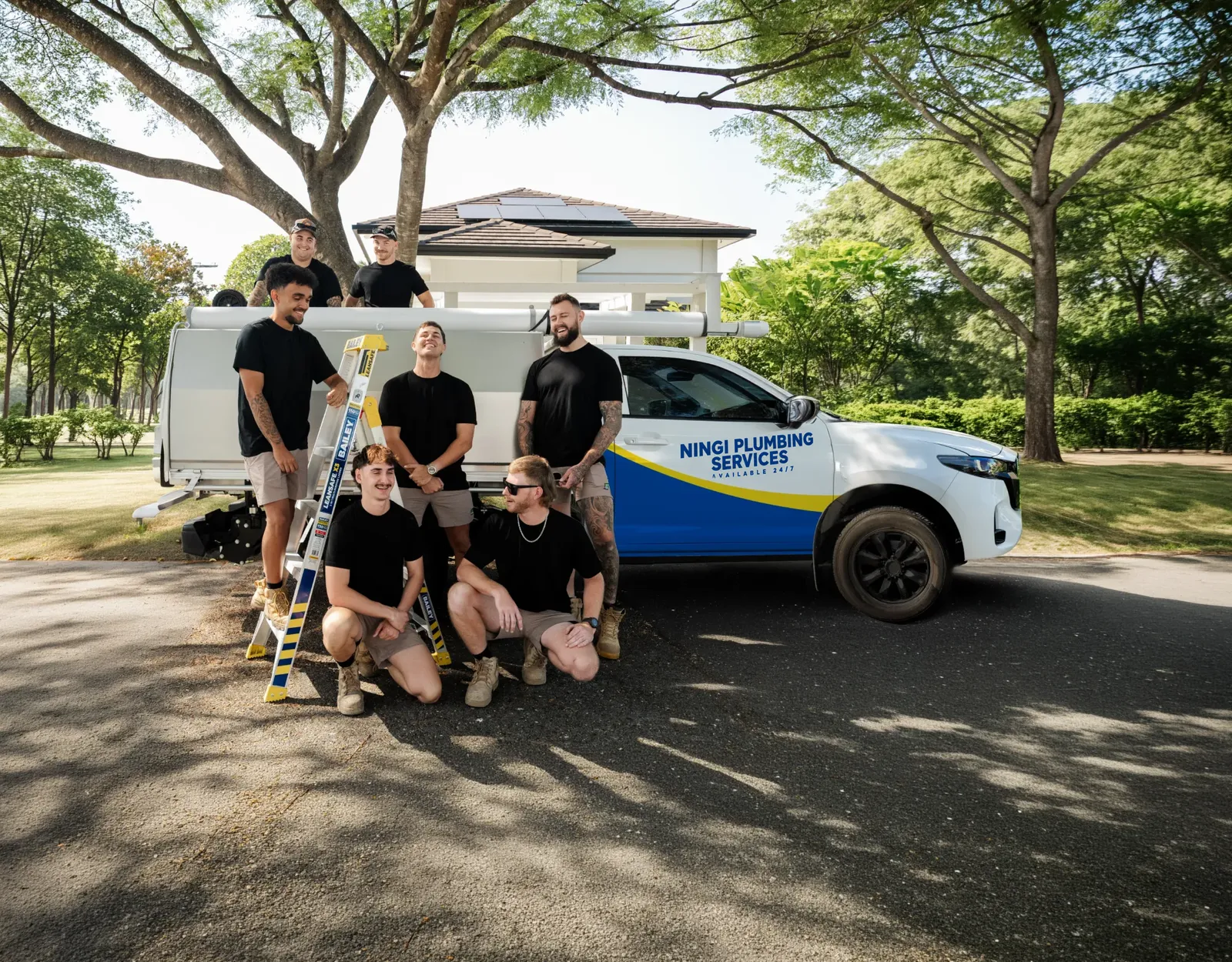
Nothing here tells you which fuel your own home runs on, because that depends on the address. What it does give you is a way to read your own meter or bottle, and a clear line on who may touch what.
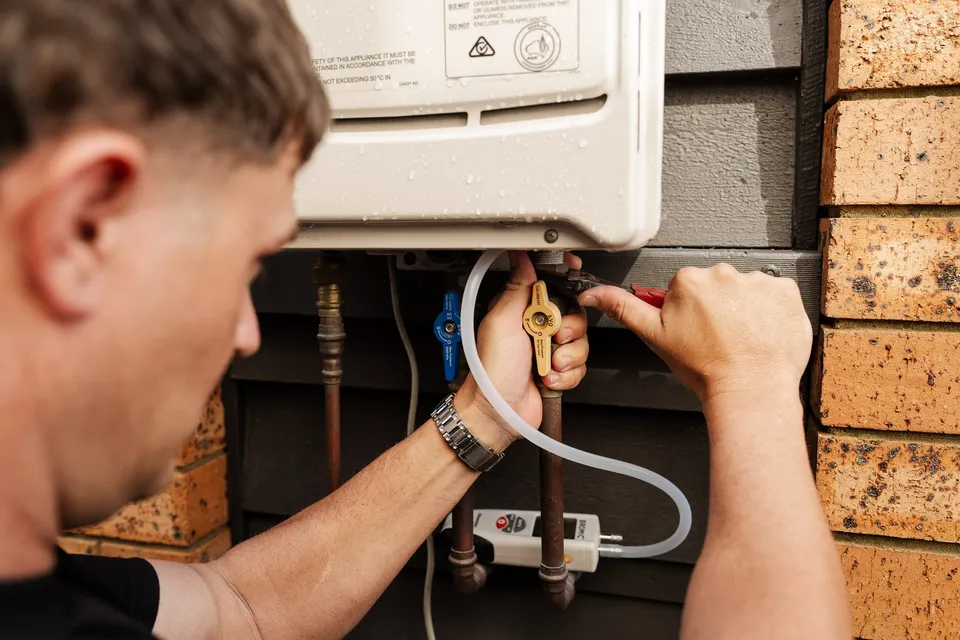
Pipe, Cylinder or Tank Supply Compared
Natural gas is methane delivered by pipe from a metered street network; LPG arrives as a bottled or tanked fuel. A pipe on the wall is no guarantee of methane, though, because Queensland's safety advice also recognises LPG sent through pipes, called reticulated supply.
The two fuels themselves are simple to tell apart:
Natural gas
is methane, drawn from a metered network under the street.
LPG
stands for liquefied petroleum gas, held as liquid in a bottle or tank and vaporising on its way to the appliance.
Reading your own home takes one look. A bottle or tank beside the wall means LPG, full stop. A meter means pipework, and pipework can serve either fuel, so the gas supplier names which.
Neither fuel has a colour or a smell of its own. A chemical called mercaptan is added to both, which is why a leak always smells like rotten eggs. Homes from the half-acre blocks near Bribie Pines Reserve through to the estates along the highway all follow the same rule: smell it, act on it.
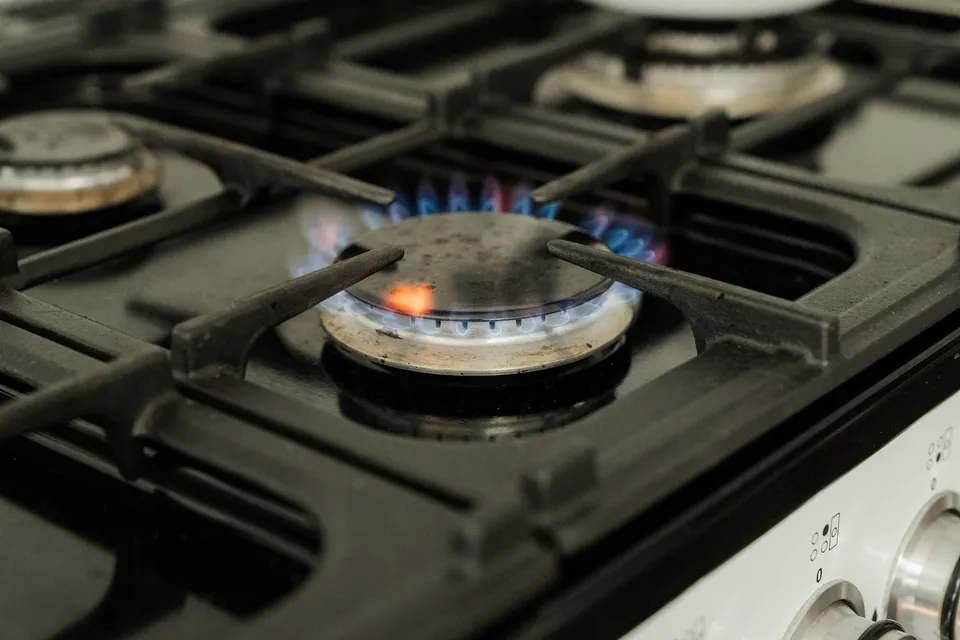
Do the Same Safety Steps Apply to Both
The fuels behave differently in a leak: methane weighs less than air and drifts upward, while bottled gas sinks and gathers in hollows, pits and drains. That is why a bottled-gas leak deserves extra care around low spots.
Both fuels ignite easily, and neither is a poison. Fuel gas filling a room can starve the air of oxygen, though, bringing dizziness and nausea, and suffocation at the extreme.
The response to a smell is the same for both fuels. Switch the appliance off, air the room through doors and windows, and leave electrical switches alone. Close the supply at its entry point if the odour lingers, then phone for help, or dial 000 if it will not go.
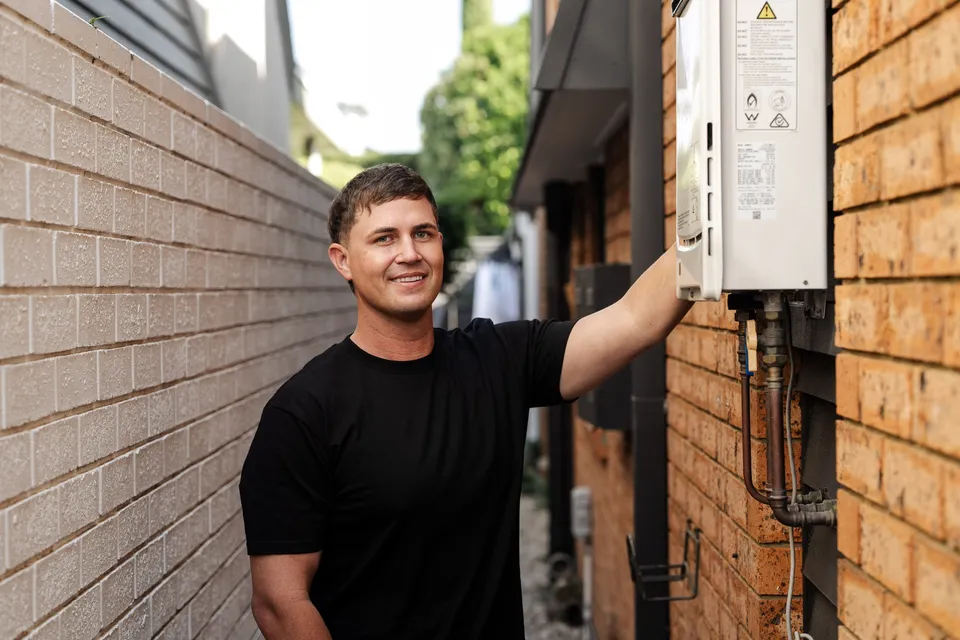
Can You Convert a Cooktop Between LPG and Natural Gas
Yes, when the appliance maker sells conversion parts for that model. Most gas cooktops and heaters come tuned for one fuel only, so shifting a cooktop between a methane house and a bottled-gas house means converting it, not a straight swap.
Queensland classes that conversion as gas work. Gas work means installing, altering, fixing, checking and certifying a fuel system and its pipework, and a licensed gasfitter is the only person who may do any of it. The gasfitter fits the maker's conversion kit and proves the appliance works properly before handing it back.
Before work begins, ask to view the gas work licence. Gas cookers, heaters and barbecues also deserve periodic attention from a licensed gasfitter, and they should always run to the maker's instructions.

Who Looks After the Cylinder at Your Home
Refill rule first: a portable barbecue bottle, typically 9 kg, carries a stamp good for ten years, and filling stations check that date on each bottle before filling. The carrying and storage rules are just as firm:
- Bottles ride tied down, never inside the cabin with passengers.
- Store and use them somewhere breezy, clear of heat sources and anything that sparks.
- Spares belong in one dedicated, locked spot.
- Screw the valve closed when a bottle is not in use, empties too.
A cylinder plumbed into the house supply stays the distributor's responsibility: the LPG distributor does the upkeep and the testing. Gas odour or damage on a connected bottle means a call to that distributor. The valve on any bottle is never a householder's job to fix or remove.
When to Call a Plumber
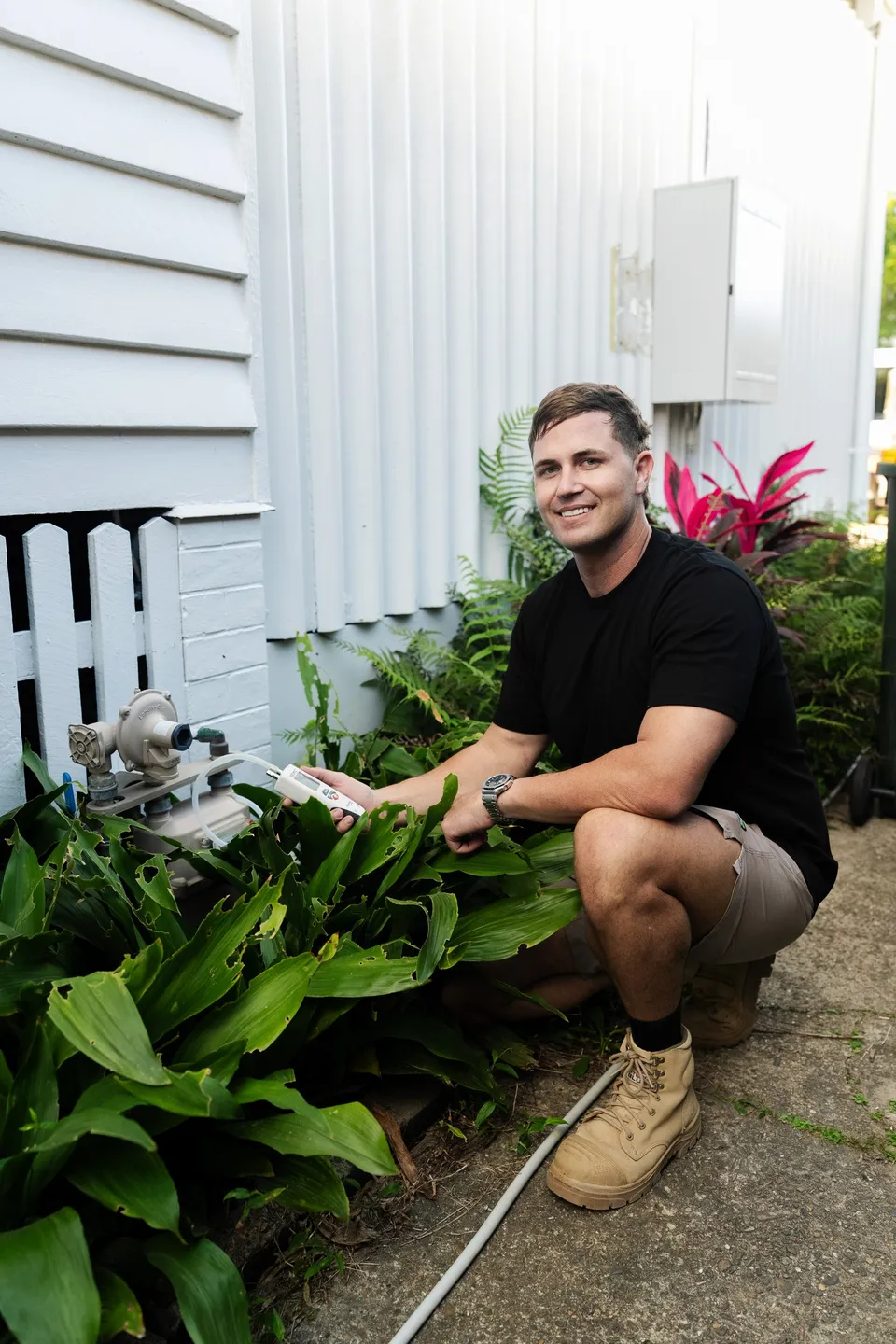
Ring a licensed gasfitter for a new cooktop or heater, a conversion between fuels, a suspected leak, or the periodic service that gas appliances need. If you are weighing up an appliance change, our gas cooktop installation guide sets out what the fit-out involves.
Two local triggers are worth naming. When wet-season storms and king tides push water across the flats near Ningi Island, any outdoor gas fitting that went under should be checked before its next use. And salt-laden air on the coastal side shortens the life of exposed metal, bottle cages and bayonet caps included, so a check after a humid summer is worth the phone call.
Questions Ningi Homes Ask About Gas
Call (07) 3524 0766Is LPG more dangerous than natural gas?
No, and neither fuel is the safer pick: both gases are highly flammable, and neither is poisonous or toxic. The difference is where a leak collects, since methane rises while bottled gas settles into low ground. Queensland's advice for a smell of either fuel is the same, so the steps you take do not change.
How do I know if my Ningi home runs on LPG or natural gas?
A bottle or tank on the property means LPG. A gas meter means pipework, and pipework can carry either fuel, so the gas supplier confirms which one reaches the address. We can also identify the supply during a visit.
Where should a spare gas cylinder be stored at home?
Somewhere with good airflow, clear of heat sources and anything that sparks, in one dedicated, locked spot set aside for spares. Keep the valve shut whenever a bottle sits idle, empties too, and never carry a bottle loose in the cabin of a car.
Who looks after the LPG cylinder at my Ningi place?
A connected cylinder stays with the LPG distributor, and the distributor handles the upkeep and testing of that bottle. A gas odour or visible damage on the cylinder is a reason to phone the distributor straight away. Never attempt repairs on a cylinder valve yourself.

Ring Ningi Plumbing Services About GasWe'll call you back.
Book on (07) 3524 0766 for plumbing anywhere in Ningi. We're available 24/7, there's no extra charge for nights, weekends or public holidays, and every job comes with $0 call-out fees.
To claim your $0 call-out fee, call (07) 3524 0766 today.